
Postcards: Evolution, Types, and Their Importance in Our Lives
History of Postcards
The history of postcards dates back to the 19th century, when the postal system began to develop in Europe. In 1869, the first postal postcards were issued in Austria, which had a standard size and allowed short messages to be sent without the need to enclose a letter in an envelope. These postcards became very popular because their sending was cheaper than a regular letter and they became accessible to a wide audience.
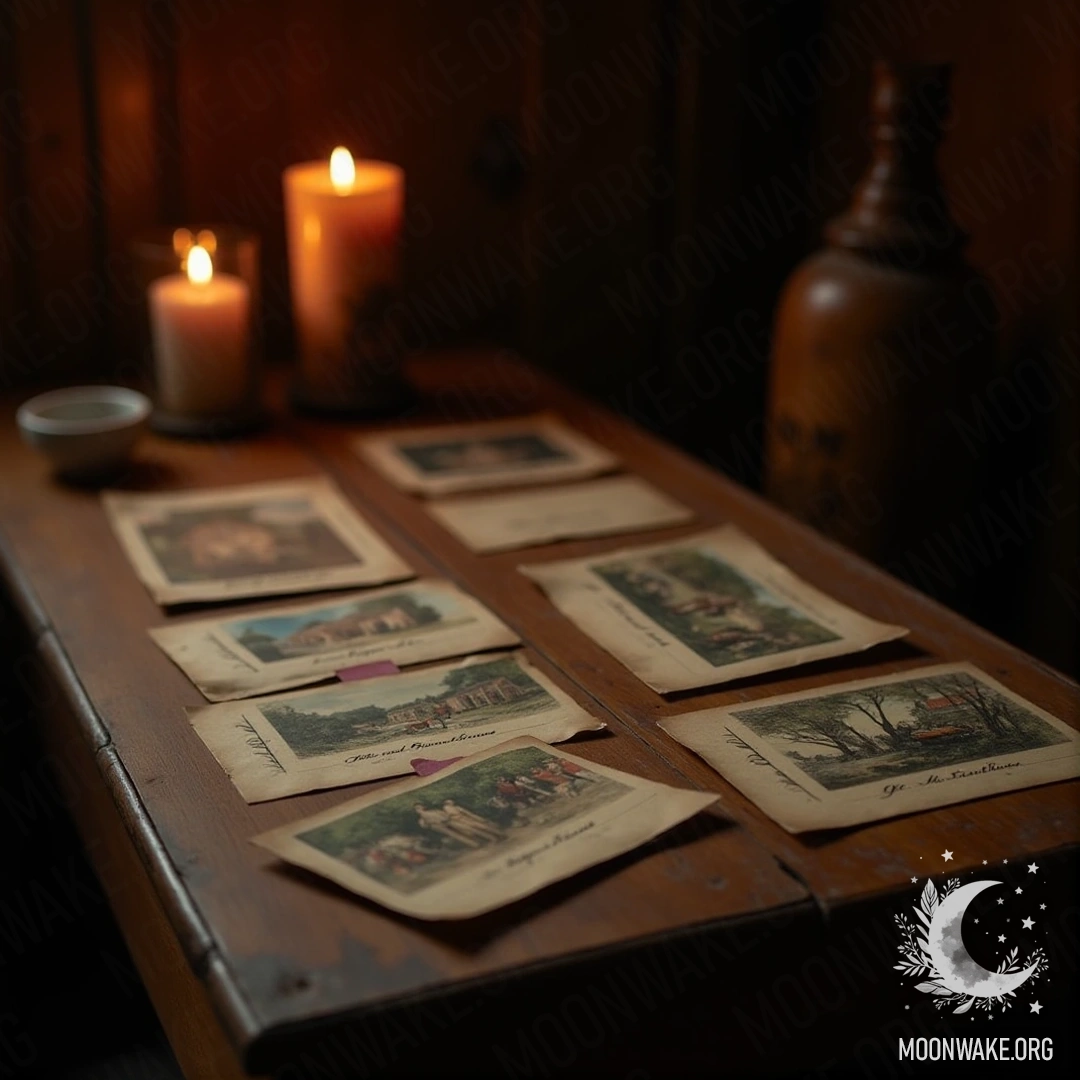
Soon postcards began to be issued with images. Initially, these were views of cities and popular tourist spots, but in subsequent years their design became more diverse, featuring images of nature, animals, scenes from life, and various artistic motifs. During this period, postcards became popular not only as means of sending messages but also as souvenirs.
By the early 20th century, postcards became a true cultural phenomenon. Collections of postcards appeared in different countries, exhibitions were held, and exchanging postcards became an integral part of holiday traditions. This was especially evident during holidays when people sent greetings for Christmas, New Year, birthdays, and other important events.
Types of Postcards
With the development of technology and changing social preferences, postcards have become diverse in form, theme, and purpose. Let's look at the main types of postcards that exist today:
- Postal postcards: These are classic postcards intended for sending by mail. Usually, these postcards feature views of cities, landmarks, or nature. Postal postcards became popular in the 19th century and remain in demand today.
- Holiday postcards: These postcards are dedicated to various holidays such as New Year, Christmas, birthdays, March 8th, and others. Holiday postcards have bright, thematic designs, often with images of holiday symbols (Christmas trees, snowflakes, congratulatory inscriptions, etc.).
- Thematic postcards: Postcards dedicated to specific events or emotions, such as weddings, Valentine's Day, congratulations on achievements, or comforting words. Thematic postcards can be very diverse in design and textual content.
- Postcards with images: These postcards are often used as souvenirs or for interior decoration. They feature beautiful landscapes, artworks, photographs of famous people or nature.
- Business cards and advertising postcards: These postcards are intended for sharing contact information, advertising, as well as promoting services and products. They are often used by companies and entrepreneurs for business promotion.
The Process of Creating and Designing Postcards
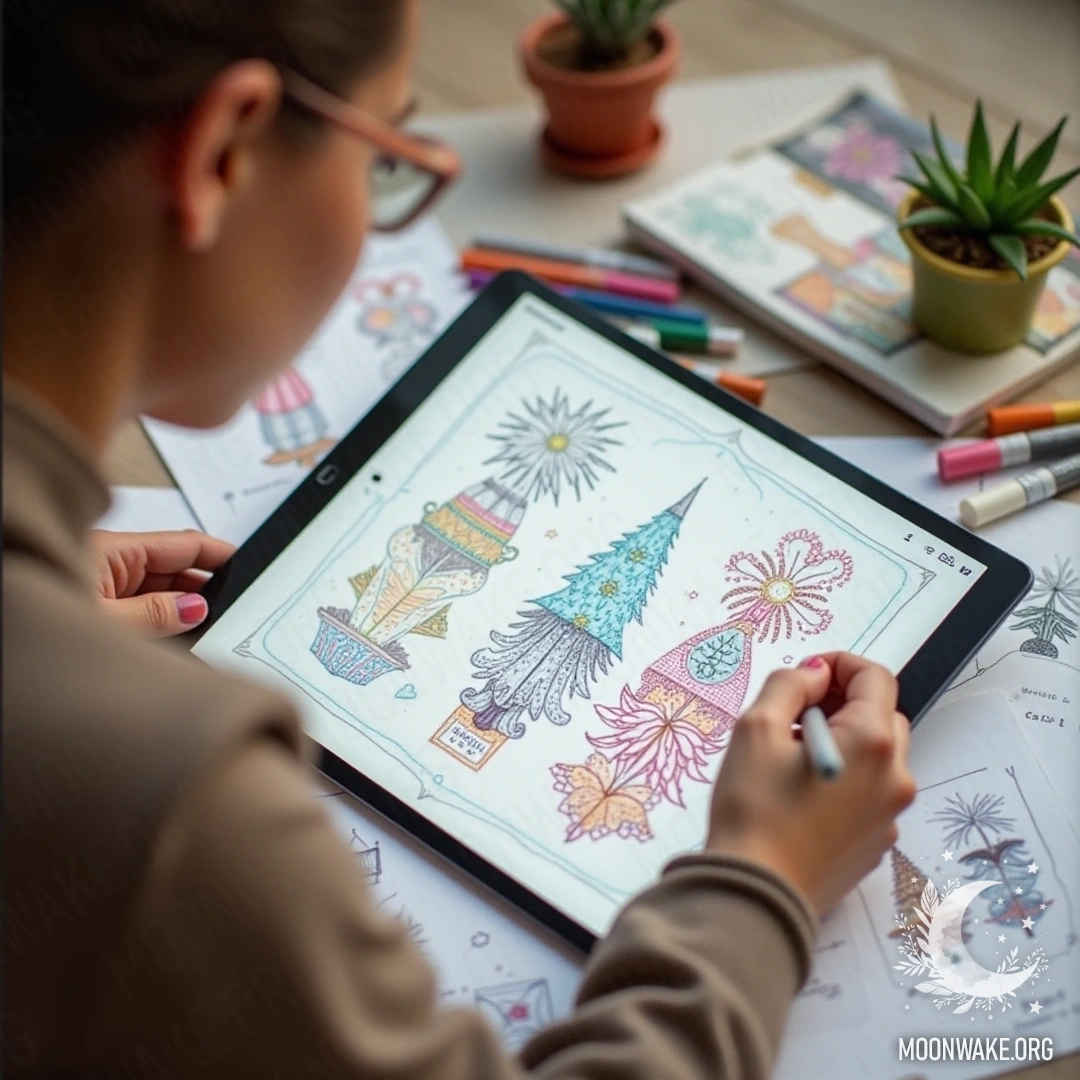
The process of creating a postcard involves several stages. Initially, it is important to choose the theme of the postcard, which should correspond to its purpose (holiday greetings, symbols of love, consolation, and so on). At this stage, it is also important to decide on the color scheme and design style, as they should reflect the mood the postcard conveys to the recipient.
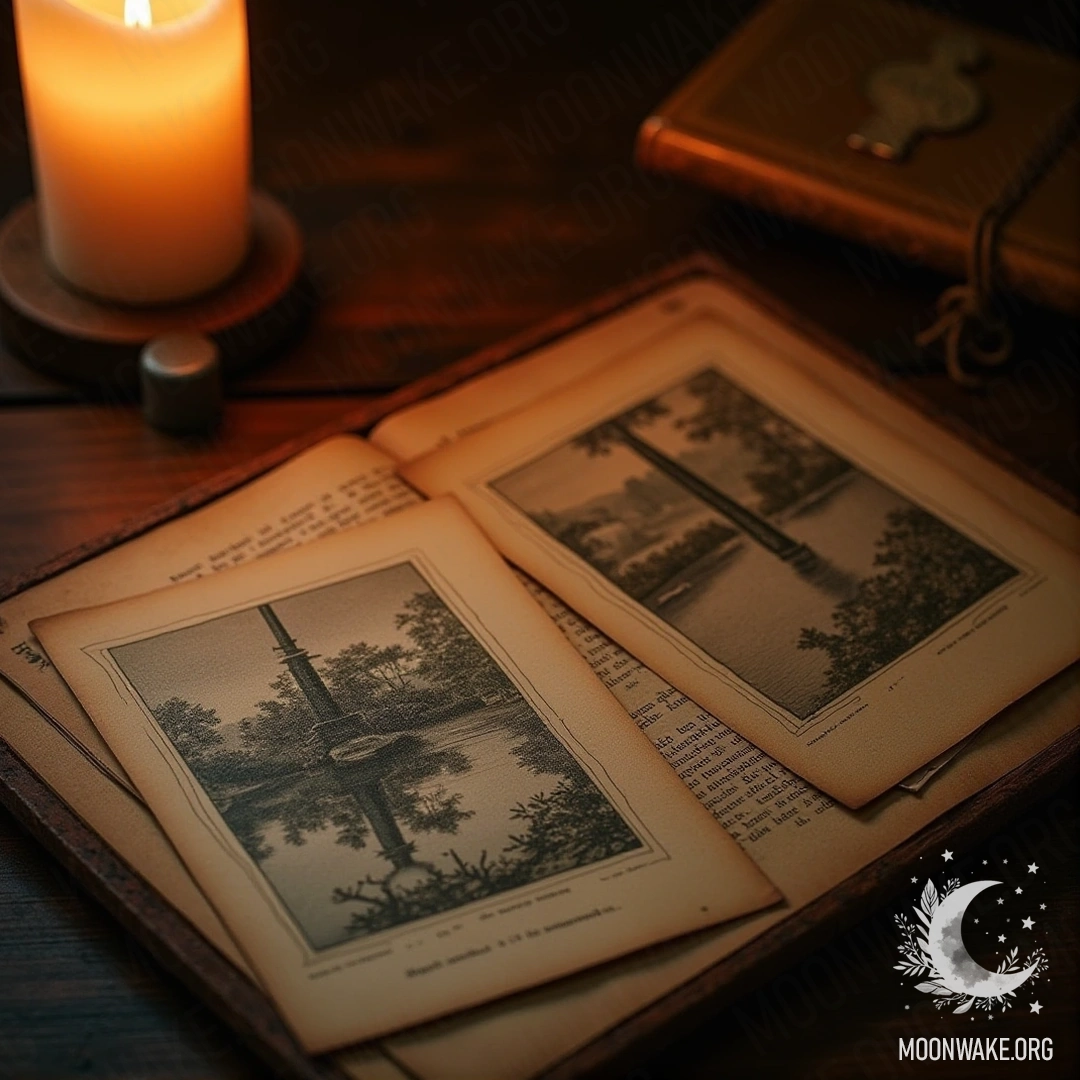
Postcard printing technologies are constantly improving. Initially, postcards were printed manually, but with the development of mass production and digital printing, the process became faster and cheaper. Today, both traditional offset printing machines and more modern methods such as digital printing and 3D printing are used to create postcards with unique designs.
Modern postcard designers often turn to minimalism, using simple shapes and neutral colors. At the same time, more complex, artistic postcards with rich decoration, done in vintage or retro styles, are also popular. It is important that the postcard design harmonizes with its theme and purpose.
Postcards and Their Role in Modern Society
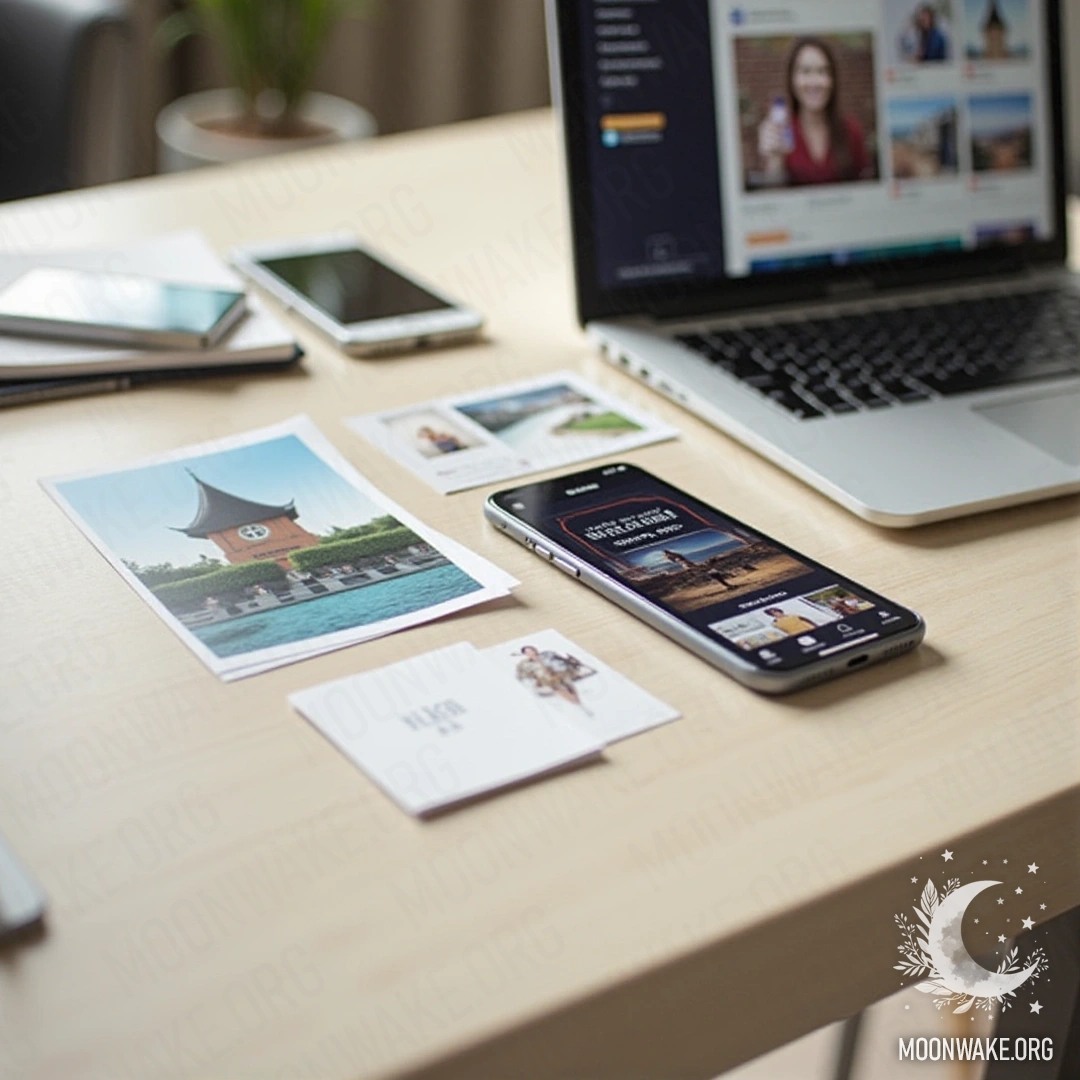
Despite the popularity of digital technologies and social networks, paper postcards retain their value in modern culture. Postcards continue to be a symbol of personal attention and care. They convey emotions that cannot be expressed through text messages or electronic greetings.
Recently, there has been a return to the traditions of writing and sending paper postcards. This is especially noticeable during holiday seasons, when people increasingly prefer greetings that can be touched, viewed, and even collected. The emotional value of a paper postcard lies in the fact that it is a tangible object that a person can hold in their hands, keep, and return to years later.
It is also important to note that postcards are often used not only for greetings but also to express feelings and support during difficult times. For example, an open letter with gratitude, wishes, or words of consolation can become a meaningful and valuable gift during challenging periods.
Holidays and Traditions Associated with Postcards
One of the main reasons for the popularity of postcards is their connection with various holidays and traditions. Around the world, there are many customs related to sending postcards. For example, at Christmas and New Year, it is customary to exchange holiday postcards featuring images of Christmas trees, snowflakes, reindeer, and other symbols of winter holidays.
Valentine's Day on February 14 is another holiday when postcards play a special role. On this day, people exchange postcards with declarations of love, sweet messages, and cute poems. Postcards are also popular on Mother's Day and Father's Day, as well as for congratulations on anniversaries and important life events.
Each culture has its own unique postcard exchange traditions. For example, in Japan, it is customary to send postcards with wishes of luck and health during the New Year holidays, while in Russia, postcards with Easter greetings are common.
How to Choose a Postcard?
When choosing a postcard, it is important to consider several factors. First, pay attention to the occasion for which the postcard is being sent. For example, for a birthday greeting, it is best to choose a postcard with bright and cheerful images, while for a wedding, a more romantic and elegant design is appropriate.
Secondly, consider the interests and preferences of the recipient. If it is a close friend or relative, you can choose a postcard with a personal message and images that reflect your shared memories or interests. For colleagues or people with whom you have a more formal relationship, it is better to choose a neutral and restrained postcard.
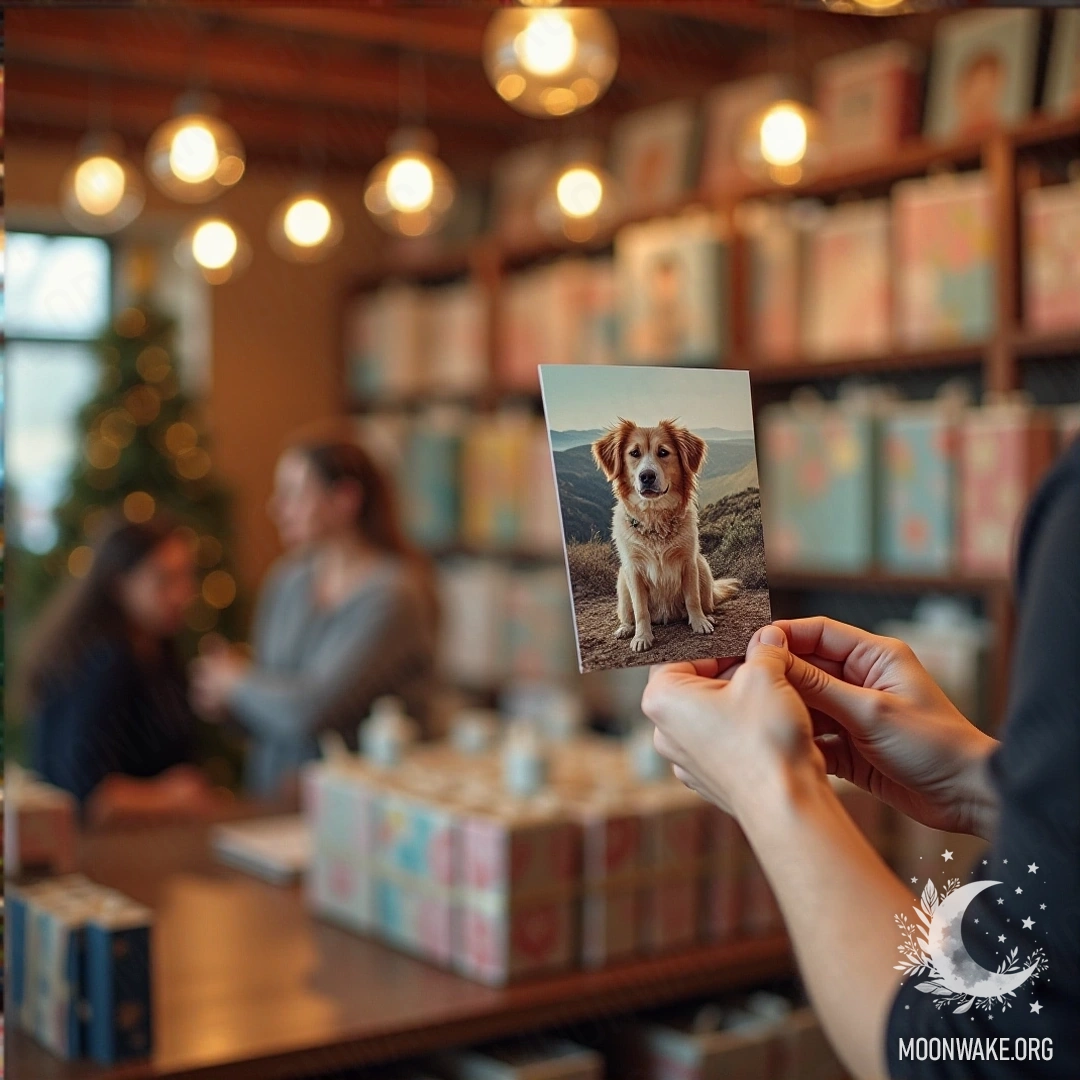
Postcards continue to be an important part of our lives despite the development of digital technologies. They symbolize care, attention, and personal connection that cannot be fully conveyed through electronic messages. Thanks to the variety of postcard types and their ability to convey a wide range of emotions, they remain popular worldwide and retain their value in people’s eyes.